But before anyone accuses this of being a burst of overnight productivity, let’s set the record straight: this is not a month-long sprint. It’s the culmination of nearly a year and a half of steady, layered, sometimes chaotic creativity.
Since December 2024, ideas have been quietly piling up—sketches, fragments, half-finished songs, and fully formed tracks without a home. Some were originally meant for other albums but didn’t quite fit. Others appeared out of nowhere, as if they had been waiting for the right moment. And a few were the result of deliberate, focused attempts to explore something new. Over time, this growing archive reached a tipping point: enough material for not one, but seven distinct releases.
What makes this project particularly compelling isn’t just the volume—it’s the range.
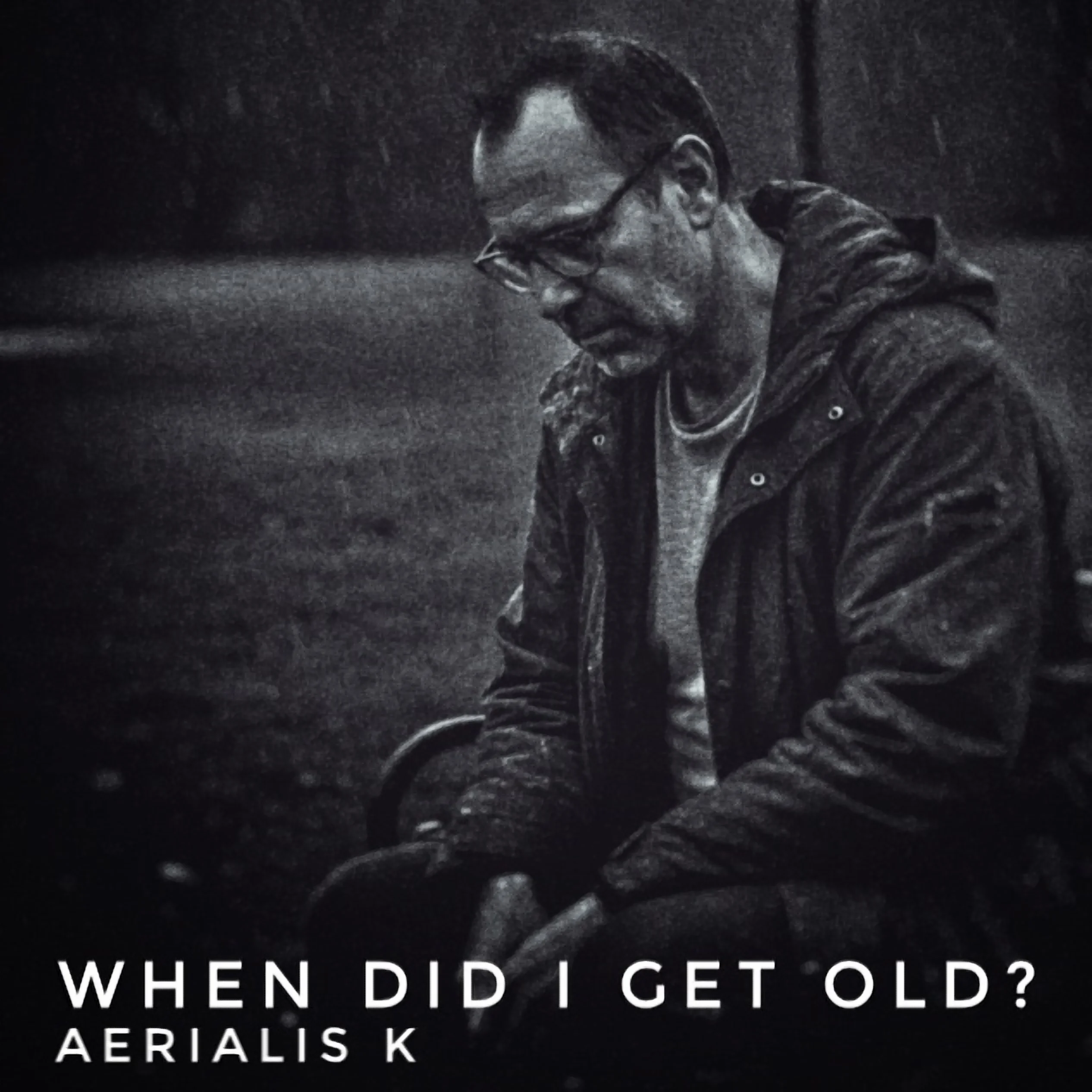
“When Did I Get Old” sets the tone with a distinctly British sonic palette, drawing heavily from a fascination with 1980s UK bands. There’s a sense of reflection here, wrapped in jangly guitars and nostalgic textures.
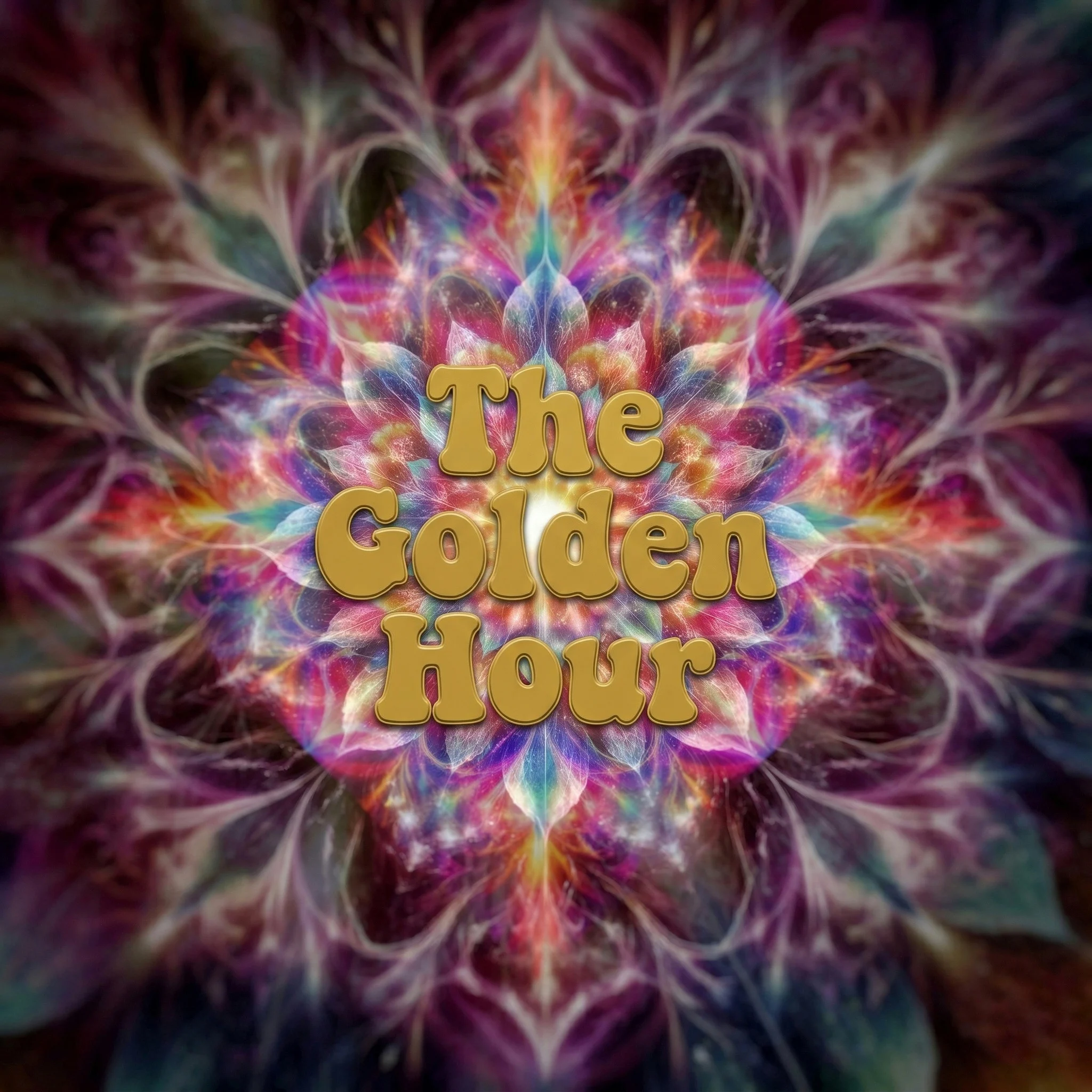
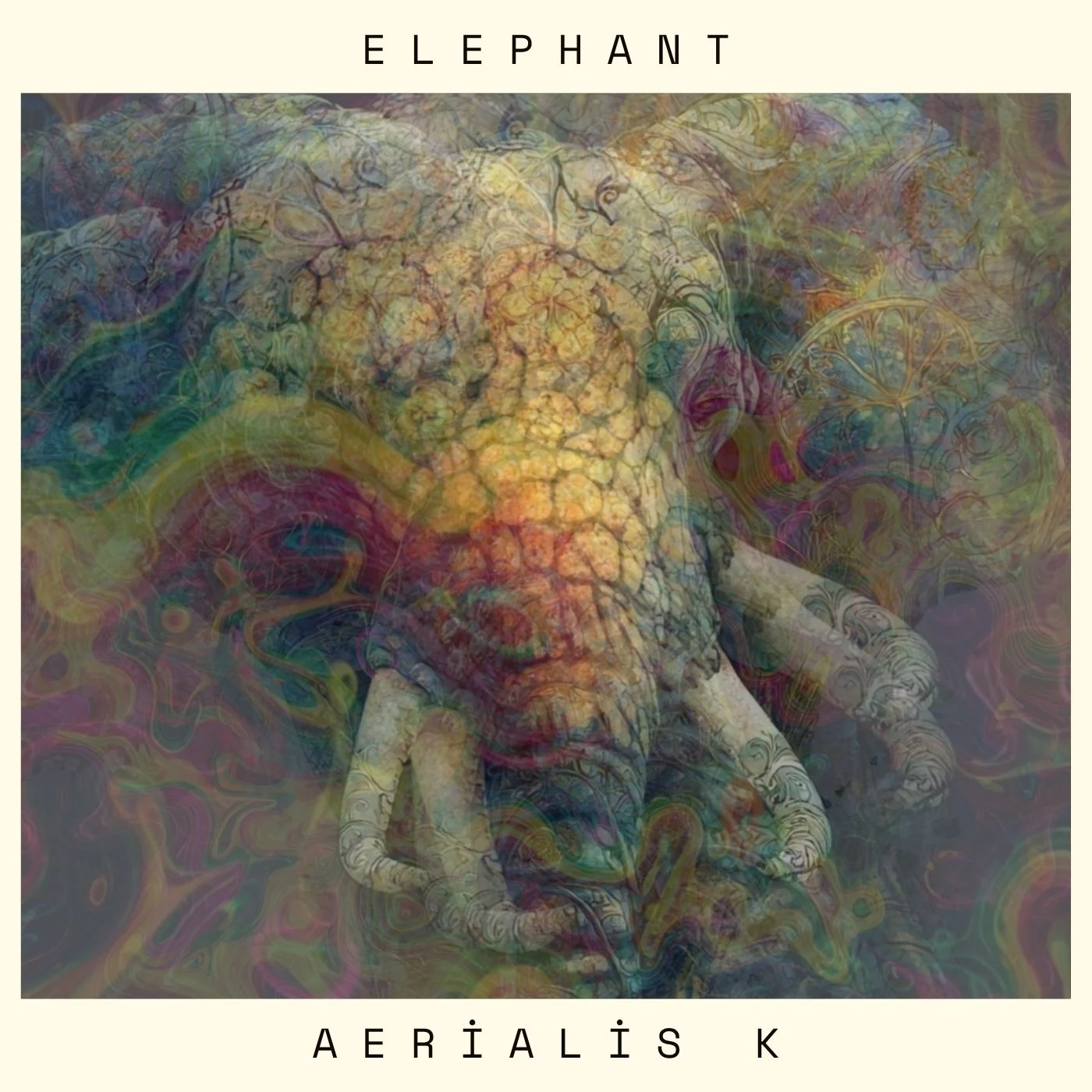
Then comes “Elephant”, which shifts the timeline backward. We’re now deep in the 1960s and early 1970s, with a clear psychedelic edge. This thread continues into “The Golden Hour”, a record that fully embraces the spirit of the British Invasion era—colorful, dreamy, and unapologetically retro in its DNA.
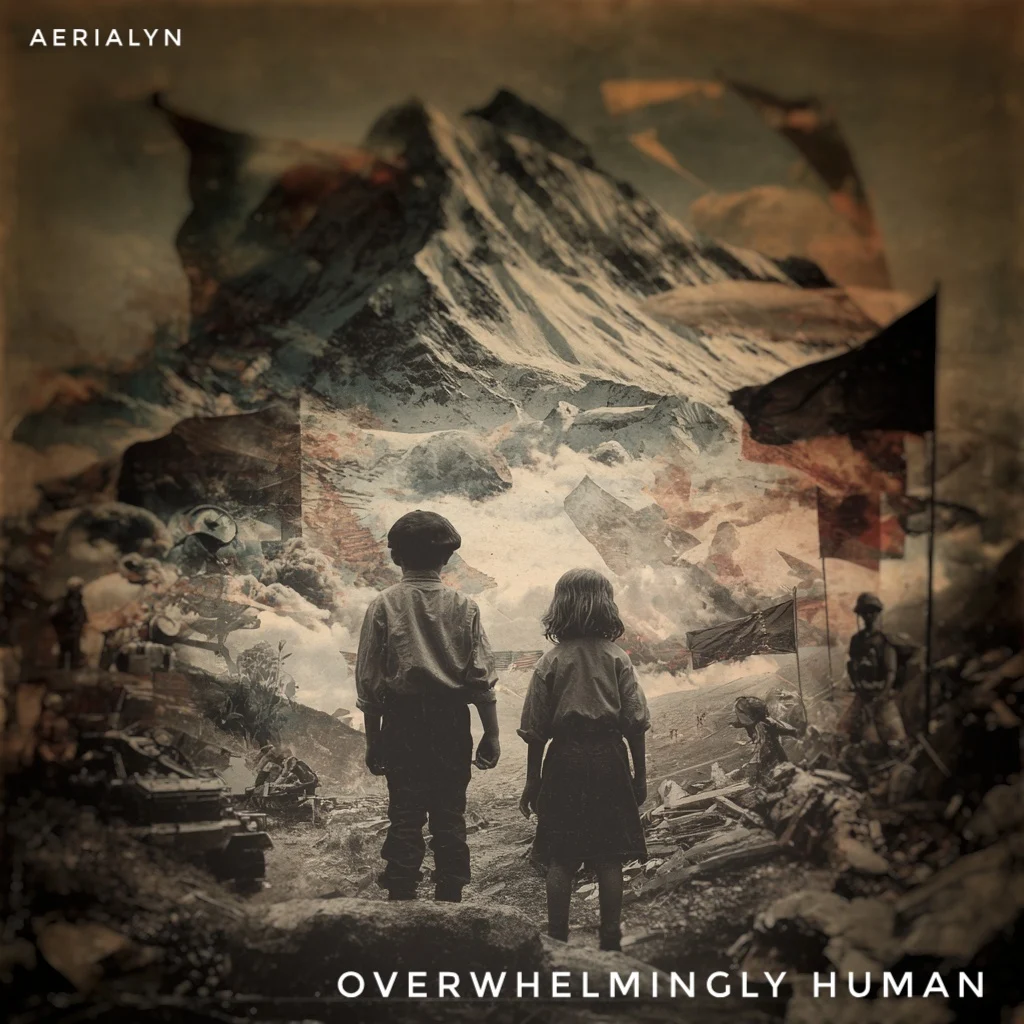
Out of this swirl of influences emerges something unexpected: Aerialyn, a female alter ego who takes center stage on “Overwhelmingly Human”. This album pivots both thematically and stylistically. Rooted in Americana, it channels frustration, commentary, and emotional rawness into what can only be described as a protest record for a complicated world.
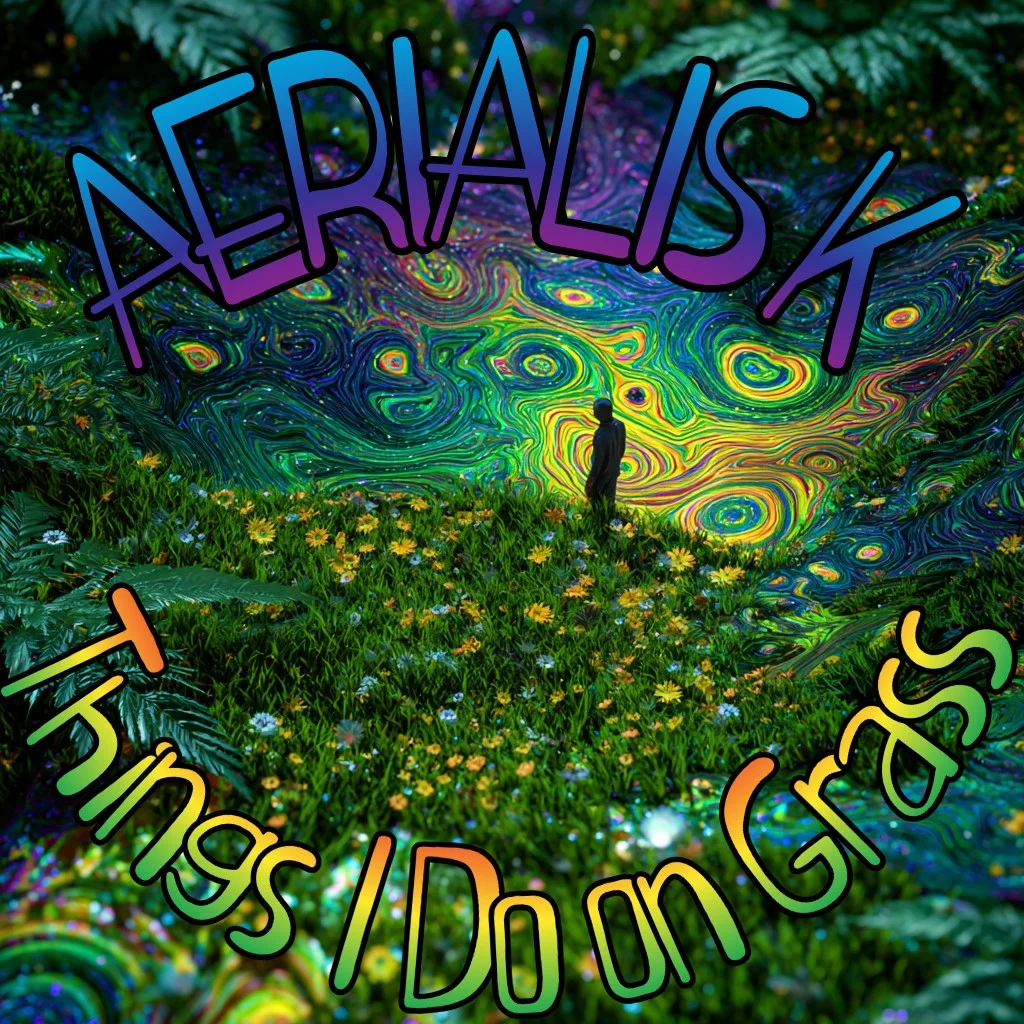
If that wasn’t enough, “Things I Do on Grass” circles back to the 1960s with a loving nod to the era’s most influential bands. It’s less about imitation and more about reinterpretation—recognizable influences filtered through a modern, personal lens.
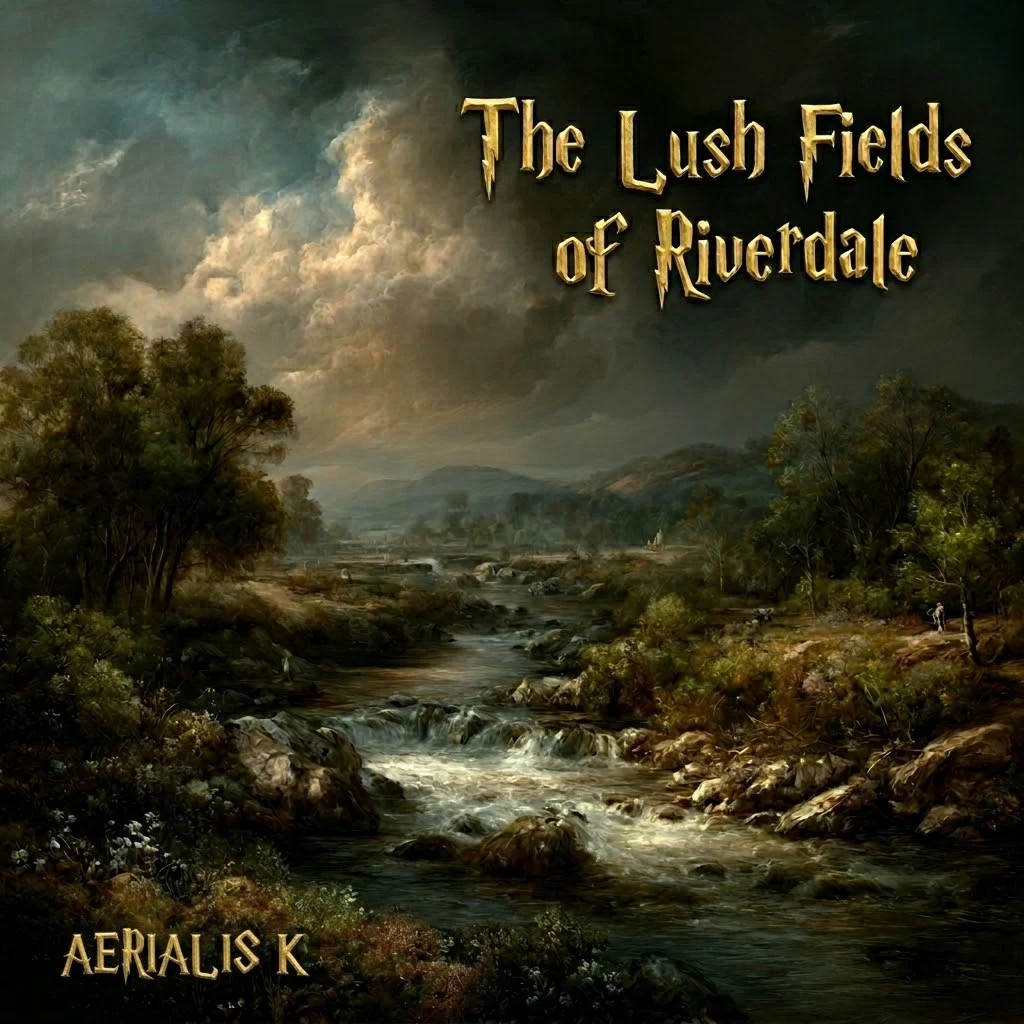
From there, the journey evolves. “The Lush Fields of Riverdale” expands on the 60s-inspired foundation but ventures into more progressive territory. This is where experimentation takes over: oboe, flute, harpsichord, and string arrangements weave together with extended instrumental passages and more intricate compositions. It’s ambitious, textured, and unafraid to stretch.
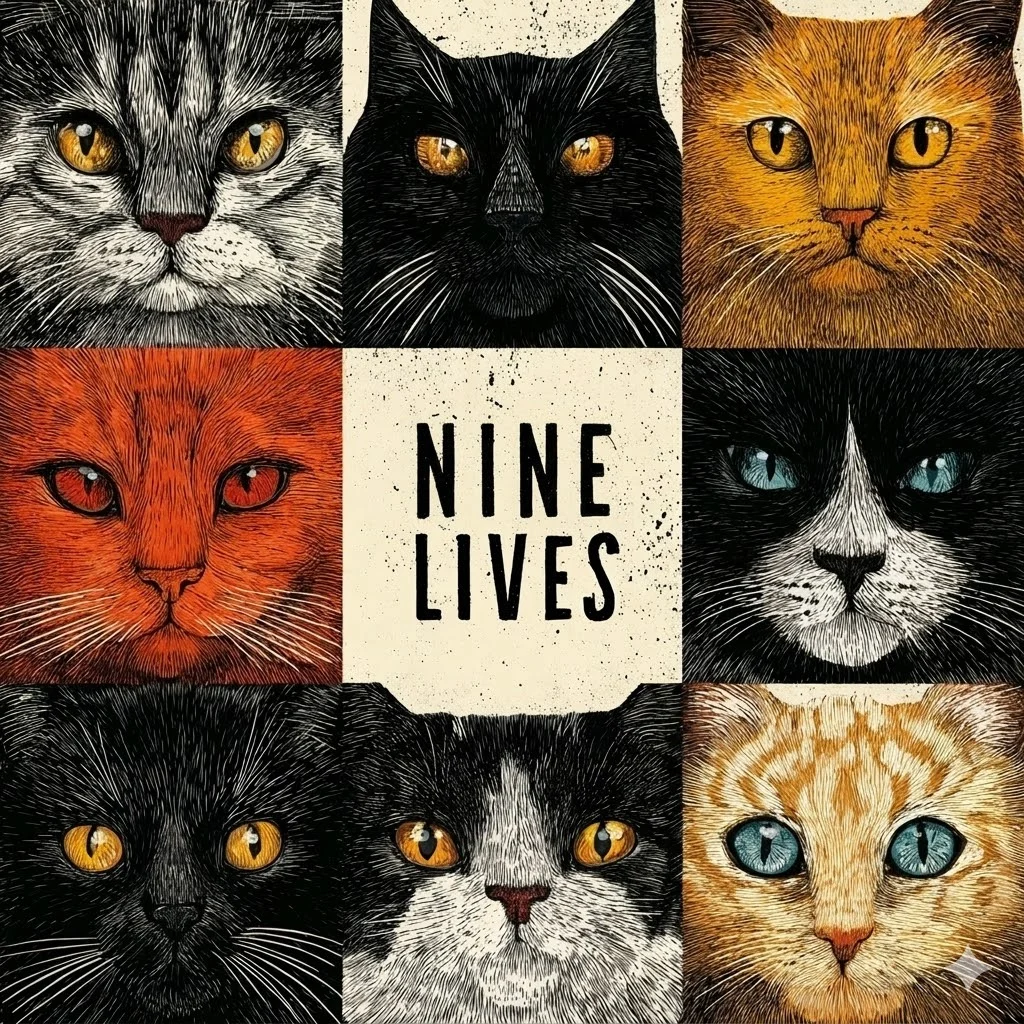
Finally, “Nine Lives” closes the cycle—though in many ways, it feels like a new beginning. The title track dates all the way back to December 2024, tying the entire project together. Musically, it leans into soul and R&B influences, drawing clear inspiration from artists like Black Pumas. The result is warm, groove-driven, and deeply expressive.
Across these seven albums, there’s both diversity and cohesion. Genres shift, moods evolve, and perspectives change—but a consistent creative voice runs through it all.
And then there’s the elephant in the room: AI.
This body of work wouldn’t exist in its current form without it. Whether that’s something to celebrate or question is up to the listener. But from the creator’s perspective, AI isn’t a shortcut—it’s a catalyst. A tool that makes it possible to translate the constant stream of ideas into something tangible, audible, and shareable.
Love it or hate it, this is what happens when technology meets relentless creative drive.
Seven albums. One release window. Eighteen months in the making.