Finding Light in the Shadows of Jangle Pop and Psychedelic Americana
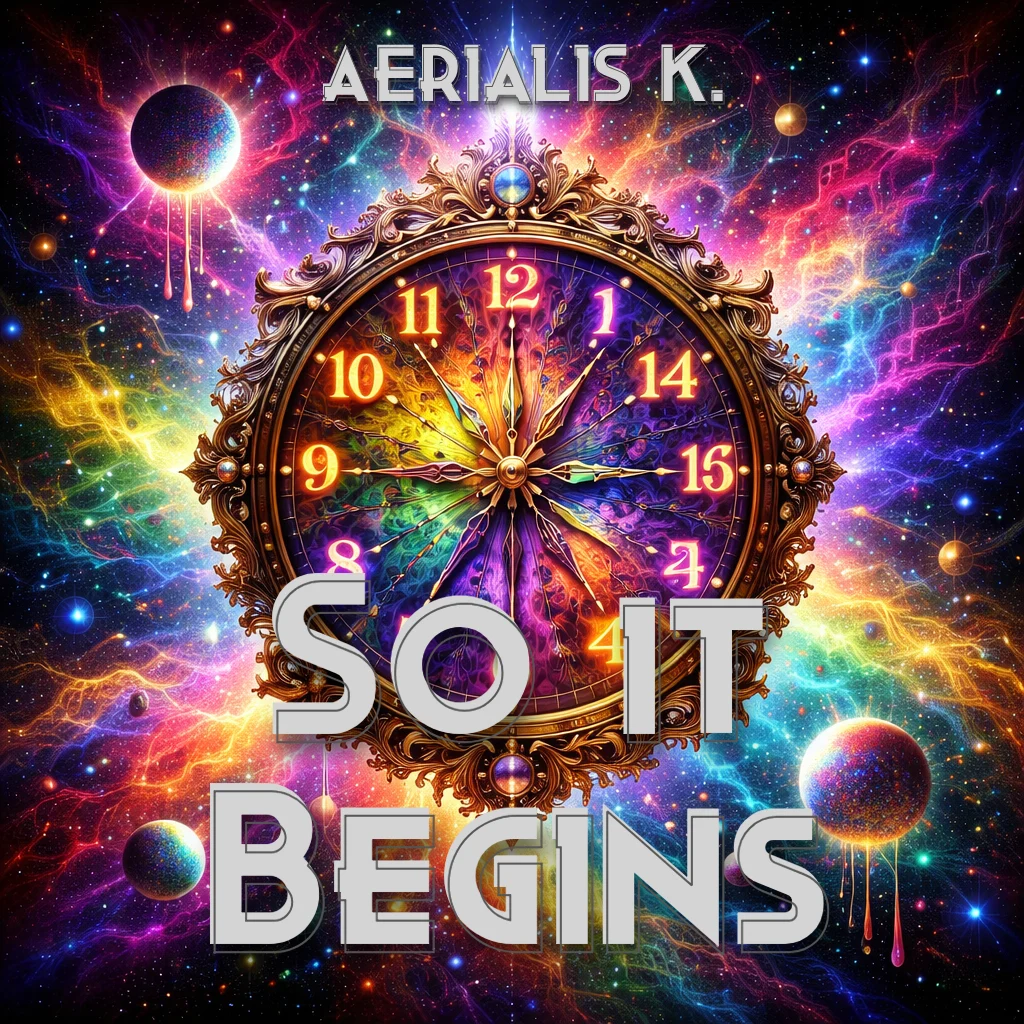
Musically, So It Begins inhabits a fascinating crossroads. British Invasion-inspired jangle pop, psychedelic rock, power pop, southern gothic, folk-infused Americana and occasional hints of Britpop all coexist naturally. Chiming guitars, Hammond organs, Rhodes pianos, fuzz-soaked riffs, banjos and vintage keyboards create an unmistakably analogue atmosphere. The production aesthetic evokes music from another era without becoming trapped by nostalgia. Instead, these familiar sounds become vehicles for modern emotional storytelling.
The album opens with its title track, “So It Begins,” immediately establishing the central theme. Built around jangling guitars and a Beatlesque melodic sensibility, the song introduces a protagonist caught between anxiety and optimism. The recurring line “So it begins” becomes more than a chorus—it feels like a quiet acceptance that life moves forward regardless of our fears. Even as the lyrics describe racing against time and running from personal demons, the bridge offers a surprisingly hopeful conclusion: struggles are necessary because they shape who we become. It is an understated but effective introduction to the record’s emotional compass.
That duality—light versus darkness—runs throughout the album. “Wicked Place” questions whether evil resides in the world or within ourselves, using night-time imagery and psychedelic power pop textures to create a sense of restless unease. The driving rhythm and bright guitars cleverly contrast the lyrical darkness, recalling the bittersweet tension that made bands like The Smiths or early R.E.M. so compelling without directly imitating either.
The more uplifting “The Wind” offers one of the album’s simplest messages, yet perhaps its most universal. Its repeated observation that “You can’t hear the wind if you never go out” becomes an elegant metaphor for embracing vulnerability instead of retreating from life. Musically, the Hammond organ gives the song warmth and humanity, preventing its repetitive lyrical structure from becoming monotonous.
If there is a recurring antagonist across So It Begins, it is fear. Fear of change, fear of love, fear of failure, and perhaps most importantly, fear of confronting oneself. Songs like “Lurkin’ in the Shadows” and “Darkness” explore these emotional states with admirable honesty. Neither song attempts to romanticize depression or anxiety. Instead, they portray psychological paralysis with remarkable restraint. The sparse, repetitive lyrics in “Darkness” mirror obsessive thought patterns, while “Lurkin’ in the Shadows” transforms self-doubt into vivid physical imagery, making internal struggles feel tangible rather than abstract.
Several songs examine relationships from different emotional angles. “Where the Willows Weep” tells a familiar story of heartbreak, yet avoids cliché by focusing on quiet resignation rather than dramatic betrayal. The imagery of leaving home, searching for identity and ultimately becoming trapped by memory gives the song genuine emotional weight.
Later, “Grey” expands these ideas into one of the album’s strongest compositions. The metaphor of grey replacing colour beautifully captures the gradual erosion of certainty within a relationship. Rather than presenting love as either triumph or tragedy, the song exists in uncomfortable emotional ambiguity. It asks difficult questions without pretending to know the answers. This emotional maturity elevates it well above conventional breakup songs.
Perhaps the album’s finest storytelling arrives with “Dismal Town.” Rich in visual detail, the lyrics paint the portrait of a forgotten small town where time appears to have stopped. Closed businesses, rusting signs and sleepy porch lights become symbols of emotional stagnation as much as physical decline. The song feels cinematic, almost like a short film unfolding over four minutes. Its subtle southern gothic atmosphere, combined with psychedelic rock influences, creates one of the album’s most distinctive sonic landscapes. It is easy to imagine listeners returning to this track repeatedly, discovering new details with each listen.
The biblical symbolism of “The Snake and the Apple” briefly broadens the record’s perspective beyond personal relationships. Temptation, irreversible choices and human weakness become universal experiences rather than explicitly religious themes. The song’s simplicity works in its favour, allowing metaphor to carry more weight than elaborate storytelling.
One pleasant surprise is how often AERIALIS K resists easy resolutions. “Until I Believe” never fully answers whether its narrator is dreaming or awake, while “As I Let My Mind Float Free” closes the album suspended somewhere between acceptance and uncertainty. Its memorable image of “flying kites in the fog” perfectly summarises the record’s emotional landscape: hope remains visible, but never entirely within reach. It is an inspired closing statement that gently ties together many of the ideas introduced throughout the album.
Lyrically, AERIALIS K shows a preference for clarity over poetic complexity. These songs rarely rely on obscure symbolism or elaborate wordplay. Instead, they communicate through direct emotional language, memorable recurring images and carefully chosen metaphors. While some listeners may occasionally wish for greater lyrical sophistication, the straightforward writing also makes the album remarkably accessible. The recurring imagery—wind, shadows, darkness, colour, roads, small towns and changing seasons—creates continuity without becoming repetitive.
Musically, the album demonstrates an obvious affection for classic guitar-driven songwriting. Listeners will hear echoes of the melodic craftsmanship of the British Invasion, the shimmering guitars of jangle pop, the melancholy introspection of alternative rock and the earthy textures of Americana. Yet these influences rarely feel like imitation. Instead, they function as a familiar vocabulary through which AERIALIS K develops a recognisable identity.
Not every song reaches the same emotional or musical peak. A handful of tracks rely heavily on repeated lyrical phrases, occasionally sacrificing narrative development for atmosphere. Some listeners may also wish that the album took greater dynamic risks, particularly in its middle section where several songs occupy similar emotional territory. However, these are relatively minor observations within an otherwise cohesive listening experience.
Ultimately, So It Begins succeeds because of its consistency of purpose. Every song contributes something to the larger emotional picture. The album explores what it means to move forward while carrying regret, to search for hope without denying darkness, and to accept that healing is rarely dramatic—it is gradual, uncertain and deeply personal.
This is not an album built around obvious hit singles or flashy production tricks. Instead, it rewards attentive listening. Each return uncovers another lyrical connection, another melodic nuance or another emotional thread linking one song to the next. The result is a record that feels honest, reflective and quietly confident.
For listeners who appreciate melodic songwriting, vintage guitar textures and thoughtful lyrics that linger long after the music fades, So It Begins offers a rewarding experience. It is an album that invites reflection rather than demanding attention—and in doing so, quietly establishes AERIALIS K as an artist with a distinctive voice and a clear artistic vision.